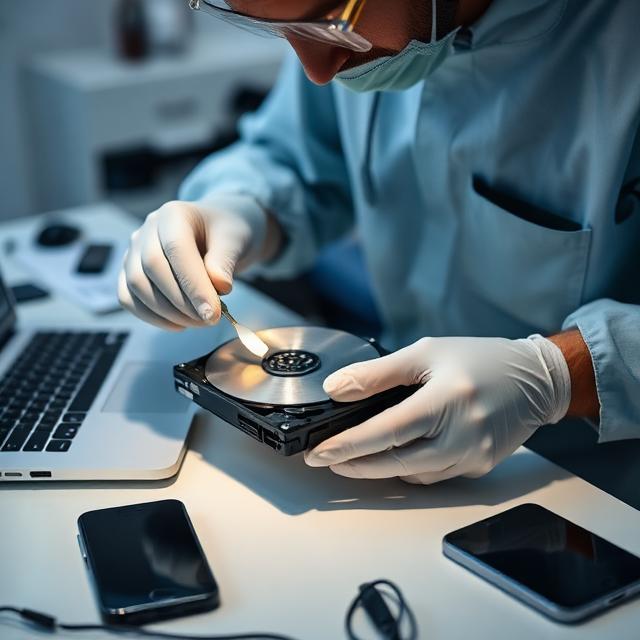
Digital forensic analysis is the structured examination of digital devices to understand what has happened, when it happened and what evidence still exists.
It applies to a wide range of systems including laptops, desktops, external storage devices, mobile phones, tablets, network infrastructure, virtualised environments and physical security systems.
In practical terms, it is the process of reconstructing the history of a device, even when data has been deleted, altered or appears to be missing.
What digital forensic analysis does
Digital devices constantly generate hidden traces of activity. Even when information is removed from view, residual data often remains recoverable.
Forensic analysis can:
- recover deleted files, images and documents
- reconstruct timelines of user and system activity
- identify how and when data was accessed or transferred
- retrieve artefacts such as messages, logs and browsing history
- determine whether data was modified, copied or removed deliberately or accidentally
The objective is not only recovery but also understanding context, sequence and intent where possible.
Where it is used
Digital forensic analysis is applied across both personal and professional environments, including:
- personal and business computers
- mobile devices and tablets
- external storage media such as USB drives and hard disks
- corporate networks and server environments
- cloud hosted and virtualised systems
- CCTV and access control systems
Each environment can contain fragments of activity that contribute to a wider understanding of what has occurred.
Why it matters
In many situations, the key question is not simply what data exists, but what happened to it.
Digital forensic analysis helps establish:
- whether a file was deleted, and when
- whether data was accessed or altered
- whether unauthorised activity has taken place
- whether information has been exfiltrated or copied
- what sequence of events led to an incident or loss
This clarity is essential in situations where decisions must be made based on evidence rather than assumption.
Beyond investigations: recovery and reassurance
While often associated with investigations and security incidents, digital forensics also plays a practical recovery role.
It can help restore:
- personal photographs and videos
- important documents and records
- business critical files and operational data
In many cases, data that appears permanently lost can be recovered. This can provide not only operational value but also personal reassurance where irreplaceable information is restored.
Regulatory, legal and operational importance
Digital forensic capability is increasingly important in:
- regulatory compliance and audit readiness
- legal disputes and litigation support
- internal investigations and disciplinary processes
- cyber security incident response and reporting obligations
Organisations are expected to demonstrate not only that they can respond to incidents, but that they can evidence what occurred and how it was handled.
How CISR.Technical deliver digital forensic analysis
CISR.Technical provide professional digital forensic services designed to preserve evidence integrity while delivering clear, actionable insight.
Our approach includes:
- forensic imaging of devices to ensure original data is preserved
- structured recovery and analysis of deleted or hidden information
- reconstruction of timelines across devices and systems
- examination of logs, artefacts and system records
- correlation of findings across multiple sources of evidence
- reporting designed for both technical and non technical stakeholders
The emphasis is on accuracy, defensibility and clarity so findings can be used confidently in operational, legal or regulatory contexts.
When to engage CISR.Technical
Professional digital forensic analysis should be considered when:
- critical data has been lost or deleted and recovery is required
- a cyber security incident or compromise is suspected or confirmed
- there is a need to support regulatory or compliance obligations
- legal or contractual disputes require digital evidence
- there is a requirement to understand historical system or user activity
- assurance is needed around whether systems or data have been accessed appropriately
Early engagement is particularly important, as delays can reduce the amount of recoverable evidence.
The value of forensic insight
Digital forensic analysis provides three core outcomes:
- Recovery: restoration of lost or deleted data where possible
- Evidence: a reliable record of what occurred on a device or system
- Clarity: understanding of events, timelines and actions taken
Together, these provide a factual basis for decision making in situations where uncertainty is not acceptable.
Digital devices do not simply store information. They retain a detailed record of activity that can often be recovered and interpreted through forensic analysis.
This capability is essential for:
- personal data recovery
- incident investigations and cyber security response
- regulatory compliance and audit requirements
- overall cyber security assurance and visibility
Without it, individuals and organisations are forced to rely on incomplete information and assumptions rather than evidence.
CISR.Technical Forensics
CISR.Technical provide a professional digital forensic analysis service to support data recovery, investigations and bolster data loss prevention assurance requirements, following IPO forensic analysis standards and ensuring continuity of evidence recording to a high standard, information recovered may be considered admissable if necessary.
We are engaged when accuracy, defensibility and clarity matter, particularly in situations involving sensitive data, suspected compromise or regulatory exposure.
Our role is to deliver structured forensic insight that enables informed decision making, supporting critical loss recovery where possible and provide a clear understanding through recovered artefacts individually or as part of a larger investigation to what has occurred across other related digital environments.
Contact CISR.Technical for Digital Forensic Analysis (DFA) assistance.